 EN
EN
 AR
AR
 BG
BG
 HR
HR
 FI
FI
 FR
FR
 DE
DE
 HI
HI
 IT
IT
 JA
JA
 KO
KO
 PL
PL
 PT
PT
 RO
RO
 RU
RU
 ES
ES
 SV
SV
 CA
CA
 TL
TL
 IW
IW
 ID
ID
 SR
SR
 UK
UK
 VI
VI
 SQ
SQ
 GL
GL
 TH
TH
 MS
MS
 BE
BE
 HY
HY
 BN
BN
 BS
BS
 MR
MR
 NE
NE
 KK
KK
 SU
SU
 TG
TG
 UZ
UZ
 KY
KY
 XH
XH
How to Reduce Waste in Soft Drink Filling Operations
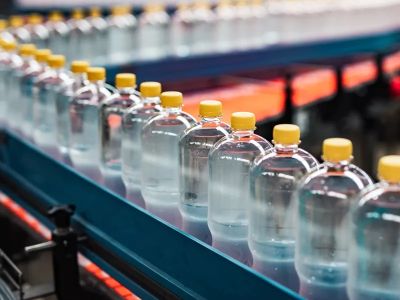
Jiede Reducing waste during beverage production is essential for improving efficiency, lowering costs, and supporting sustainable manufacturing. Modern soft drink filling machines are designed to fill bottles quickly and accurately while minimizing product loss. When properly maintained and calibrated, these machines reduce liquid spills, prevent bottle damage, and improve energy efficiency. wine labeller
Accurate filling ensures that every bottle contains the correct amount of product, helping manufacturers reduce waste and maintain consistent product quality. Efficient filling operations also lower production costs by minimizing rejected bottles and unnecessary material consumption. bottle labeller
What Are the Key Waste Reduction Strategies for Soft Drink Filling Machines?
Reducing waste starts with proper machine setup and regular monitoring. Different beverages require different filling parameters. Carbonated drinks, flavored beverages, and thicker liquids all require specific filling speeds and nozzle settings to prevent overflow.
Adjusting nozzle height and flow rate correctly helps reduce foaming and spills during production. Even small calibration improvements can significantly reduce product waste over time.
Routine cleaning is equally important. Product residue can build up inside filling nozzles and pipelines, affecting filling accuracy. Following a consistent cleaning schedule helps maintain smooth operation and consistent filling performance.
Using high-quality bottles and caps also minimizes waste. Damaged containers or poorly fitting caps can lead to leaks, rejected products, and customer complaints. Reliable packaging materials contribute to better production efficiency and fewer losses.
Operator training plays an important role as well. Skilled operators can quickly identify unusual noises, leaks, or filling inconsistencies before they become larger production problems. Combined with preventive maintenance, these practices help maximize production efficiency while reducing waste. liquid machine
How Can Manufacturers Prevent Costly Waste During Beverage Production?
Waste affects far more than lost beverages. Every rejected bottle represents wasted ingredients, packaging materials, labor, energy, and production time.
When filling machines are not operating efficiently, valuable ingredients such as water, sugar, flavorings, and carbonation may be lost. Energy used for pumping, cooling, and operating production equipment also increases operating costs.
Packaging materials contribute additional expenses. Damaged bottles, defective caps, and leaking containers often result in rejected products, transportation losses, and customer returns. These issues not only increase costs but may also affect brand reputation.
Regular equipment inspections help prevent these problems. Monitoring valves, seals, filling levels, and air pressure allows manufacturers to identify small issues before they develop into expensive production failures.
A strong quality control program combined with preventive maintenance ensures that every bottle is filled accurately, sealed correctly, and delivered to customers in excellent condition.
How Do Sustainable Practices Improve Soft Drink Filling Operations?
Sustainability has become an important priority for beverage manufacturers. Modern filling operations can reduce environmental impact by minimizing waste, conserving resources, and improving production efficiency.
Using recyclable bottles and packaging materials helps reduce landfill waste while supporting environmentally responsible manufacturing. Accurate filling systems also minimize product loss, ensuring that every ingredient is used efficiently.
Energy-efficient equipment reduces electricity consumption throughout the production process. Routine maintenance further improves performance by preventing unnecessary downtime and reducing equipment wear.
Water conservation is another important consideration. Optimized cleaning procedures help reduce water usage while maintaining strict hygiene standards. Together, these sustainable practices lower operating costs and support long-term environmental goals.
How Can Manufacturers Achieve a Zero-Waste Soft Drink Filling Line?
A zero-waste production line focuses on maximizing resource efficiency while minimizing material losses throughout the manufacturing process.
Modern filling systems use advanced sensors to detect damaged or improperly positioned bottles before filling begins. This prevents unnecessary product loss and improves production accuracy.
Any remaining beverage inside pipelines can often be recovered and reused when appropriate, reducing product waste during production changeovers. Efficient packaging designs also reduce material usage while maintaining product protection.
Proper sealing technology prevents leaks during storage and transportation, further reducing waste across the supply chain. Employee training also plays a key role by encouraging careful operation, continuous improvement, and responsible resource management.
By combining recycling, waste reduction, and efficient production practices, manufacturers can move closer to achieving zero-waste beverage production.
What Advanced Techniques Help Reduce Waste in Soft Drink Filling?
Today's beverage filling technology incorporates advanced automation to improve production accuracy and reduce waste.
Intelligent sensors continuously monitor bottle position, fill levels, and machine performance in real time. If a problem is detected, the system automatically adjusts filling parameters to maintain consistent accuracy.
Predictive maintenance software helps identify potential equipment issues before breakdowns occur. This minimizes downtime, reduces repair costs, and keeps production running efficiently.
Smart cleaning systems optimize water and cleaning solution usage while maintaining strict sanitation standards. Some facilities also recover excess beverage from production lines for approved reuse, further reducing waste.
Manufacturers are also investing in longer-lasting machine components and energy-efficient designs that require fewer replacements and consume less power over time.
By combining automation, preventive maintenance, quality control, and sustainable manufacturing practices, beverage producers can significantly reduce waste, improve operational efficiency, and lower production costs while maintaining high product quality.
Table of Contents
- What Are the Key Waste Reduction Strategies for Soft Drink Filling Machines?
- How Can Manufacturers Prevent Costly Waste During Beverage Production?
- How Do Sustainable Practices Improve Soft Drink Filling Operations?
- How Can Manufacturers Achieve a Zero-Waste Soft Drink Filling Line?
- What Advanced Techniques Help Reduce Waste in Soft Drink Filling?